Beyond the plate: How whole-food PLANT PROTEINS influence blood sugar and fullness
05/25/2026 / By Evangelyn Rodriguez
- Chickpeas offer 12 g protein and 8 g fiber per cup; their starch structure slows carb absorption to stabilize blood sugar.
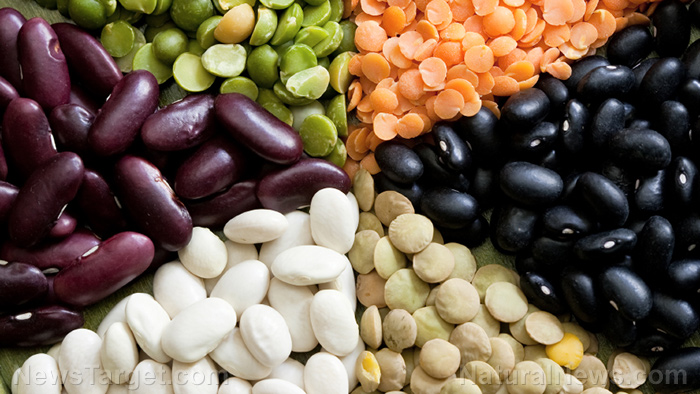
- Beans provide 16 g protein and 18 g fiber per cup; as a low-glycemic food, they support gradual blood sugar rise and fullness.
- Lentils deliver 18 g protein and 15 g fiber per cup; they slow starch digestion, aiding blood sugar stability, and cook quickly.
- Edamame (young soybeans) supplies 10 g protein and 4 g fiber per cup; blending into hummus with avocado boosts satisfaction.
- Tofu provides 20 g protein and 3 g fiber per cup; pairing with fiber-rich foods supports blood sugar and makes meals filling.
In the ongoing debate over optimal nutrition for muscle maintenance, blood sugar stability and sustained fullness, a quiet revolution is taking place in kitchens and gyms across the country. The answer, it turns out, was never confined to animal products. At a time when dietary guidelines increasingly emphasize plant-forward eating, researchers and dietitians are pointing to a class of foods that have been pantry staples for centuries but are only now receiving fresh scientific scrutiny: legumes, soy products, chickpeas and lentils.
The science behind plant protein benefits
According to research, foods that combine protein and fiber tend to digest more slowly, which helps control blood sugar levels while promoting longer-lasting satiety. Fiber slows digestion and carbohydrate absorption, while protein makes meals feel more filling. Some whole-food plant proteins also naturally contain resistant starches or carbohydrates that take longer for the body to break down. Listed below are 5 excellent sources plant protein that also pack dietary fiber:
Chickpeas
Chickpeas stand out as a particularly compelling option. One cup of canned chickpeas provides about 12 grams (g) of protein and 8 g of fiber. Although chickpeas contain carbohydrates, part of their starch structure is harder for the body to digest compared to more refined carbohydrate foods, according to research. This structural complexity may help slow carbohydrate absorption and support steadier blood sugar levels after eating.
Chickpeas are also easy to incorporate into everyday dishes such as salads, soups, grain bowls and pasta dishes, or blended into hummus for a snack that balances protein and complex carbohydrates.
Beans
The broader bean category offers similar advantages. Beans provide a combination of protein, fiber and slowly digested carbohydrates. One cup of cooked beans contains roughly 16 g of protein and 18 g of fiber. Cooked beans are considered a low-glycemic-index food, meaning they tend to raise blood sugar more gradually than refined carbohydrates. Their fiber content slows digestion, while bean protein supports fullness after meals.
Beans also provide magnesium, a mineral involved in glucose metabolism and insulin function. Black beans, kidney beans, navy beans, pinto beans and cannellini beans all offer comparable benefits, so choosing the varieties you enjoy most can help maintain consistent consumption.
Lentils
Lentils deserve special attention. A single cup of cooked lentils delivers approximately 18 g of protein and 15 g of fiber. Research suggests lentils may help support steadier blood sugar levels because their fiber and protein can slow how quickly starches are broken down and absorbed during digestion. Lentils are also convenient because they cook relatively quickly compared to many other legumes.
Brown, green, black and red lentils all work well in soups, curries, salads, tacos and grain bowls. For those unaccustomed to high-fiber foods, increasing lentil intake gradually may help minimize bloating or digestive discomfort.
Edamame
Soy-based proteins offer another pathway. Edamame, or young soybeans, contain a decent amount of plant protein along with fiber. One cooked cup contains about 10 g of protein and 4 g of fiber. Soy foods such as edamame may help support blood sugar regulation and insulin sensitivity, and they combine protein, fiber and healthy fats that can make meals and snacks more satisfying. Edamame works well added to stir-fries, salads and grain bowls.
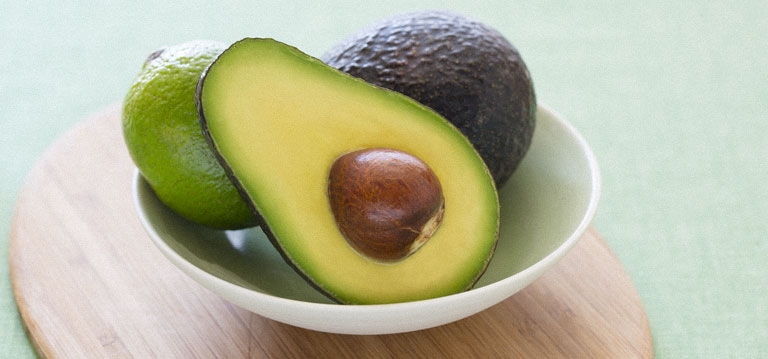
According to BrightU.AI‘s Enoch engine, one of the best ways to consume edamame is by blending it into a hummus-like spread with avocado, shallots, garlic and olive oil. This high-protein mixture can be used as a dip or a sandwich topping.
Tofu
Tofu, another soy-based protein, also helps support blood sugar management while making meals more filling. One cup of firm tofu provides about 20 g of protein and 3 g of fiber. Research suggests that eating more plant proteins in place of some animal proteins may support healthier blood sugar levels over time. Tofu is naturally low in carbohydrates while still providing a substantial amount of protein.
Although it is lower in fiber than beans or lentils, tofu is often paired with fiber-rich foods like vegetables, brown rice or quinoa in meals. Tofu’s mild flavor makes it easy to use in many dishes, including stir-fries, scrambles, bowls, soups and salads.
For those concerned about the safety of soy products, tofu, unsweetened soy milk, edamame and plain soy nut butter are all considered safe choices when sourced organically and free of genetically modified organisms.
The takeaway is clear: Plant proteins are not a compromise but a legitimate strategy. The case for chickpeas, lentils, beans, edamame and tofu rests on measurable benefits—protein content that rivals animal sources, fiber that supports digestion and blood sugar control, and versatility that allows consistent use. As research has shown, these foods are no longer niche ingredients for specialty diets but central players in a practical, sustainable approach to eating that supports muscle, metabolism and long-term health.
Watch the following video to learn more about pea protein.
This video is from the Health Ranger Store channel on Brighteon.com.
Sources include:
Submit a correction >>
Tagged Under:
alternative medicine, beans, blood sugar, chickpeas, diabetes cure, digestion, edamame, fiber, food cures, food is medicine, food science, grocery cures, health science, lentils, metabolic health, natural cures, natural health, natural medicine, nutrients, nutrition, organics, plant protein, remedies, satiety, soybeans, tofu, veggie
This article may contain statements that reflect the opinion of the author
RECENT NEWS & ARTICLES